
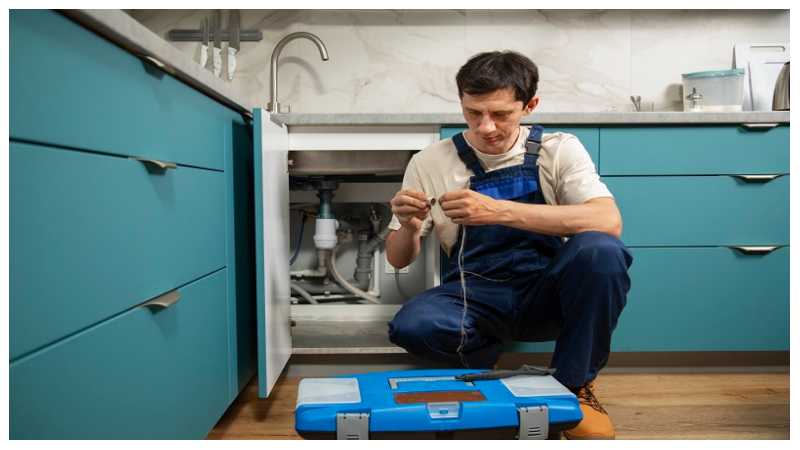
Plumbing has evolved far beyond simple pipes and fixtures. Today’s systems are designed for efficiency, durability, and sustainability. Modern plumbing methods help reduce water waste, improve system lifespan, and minimize costly repairs. With increasing environmental concerns and rising utility costs, adopting advanced plumbing techniques is no longer optional—it’s essential.
1. Evolution from Traditional to Advanced Systems
Traditional plumbing relied heavily on rigid materials, basic layouts, and reactive maintenance. While functional, these systems often suffered from leaks, corrosion, and inefficiency over time. Advanced plumbing, on the other hand, incorporates flexible materials, smart technologies, and precision engineering. This shift has improved reliability and made systems easier to maintain.
What You’ll Gain from This Guide
This guide provides a complete understanding of modern plumbing strategies. From innovative materials and smart technologies to installation and maintenance techniques, you’ll learn how to build and maintain a plumbing system that lasts for years.
2. Understanding Long-Lasting Plumbing Performance
Key Factors That Affect Durability
Several factors determine how long a plumbing system will last. These include material quality, installation accuracy, water pressure, and environmental conditions. Proper design and routine maintenance also play a major role in preventing early system failure.
Common Causes of Plumbing Failures
Most plumbing issues arise from corrosion, poor installation, excessive pressure, and lack of maintenance. Blockages, leaks, and pipe bursts are common problems that can escalate if not addressed early.
Importance of Quality Materials and Design
Using high-quality materials and proper system design ensures better performance and longevity. A well-designed plumbing system reduces stress on pipes and minimizes the risk of leaks or damage.
3. Modern Pipe Materials and Innovations
PEX, PVC, and Copper Comparison
Modern plumbing systems use a variety of materials. PEX is flexible and easy to install, PVC is cost-effective and corrosion-resistant, and copper offers durability and reliability. Each material has its own advantages depending on the application.
Benefits of Flexible Piping Systems
Flexible piping, such as PEX, allows for easier installation and reduces the number of joints required. Fewer joints mean fewer potential leak points, which improves system durability.
Corrosion-Resistant Materials
Corrosion is a major cause of pipe failure. Using materials designed to resist corrosion helps extend the lifespan of the system and maintain water quality.
4. Smart Plumbing Technology Integration
Leak Detection Systems
Modern leak detection systems can identify even small leaks before they become major problems. These systems often use sensors to monitor water flow and alert users instantly.
Smart Water Monitoring Devices
Smart monitoring devices track water usage in real time. They help homeowners identify unusual patterns, detect inefficiencies, and manage consumption effectively.
Automated Shut-Off Valves
Automated shut-off valves can stop water flow automatically when a leak is detected. This prevents water damage and reduces repair costs significantly.
5. Advanced Installation Techniques
Proper Pipe Sizing and Layout
Getting the pipe dimensions right is key to maintaining smooth water flow and avoiding disruptive pressure imbalances. A well-planned layout minimizes bends and restrictions, improving overall efficiency.
Pressure Balancing Methods
Balancing water pressure across the system prevents stress on pipes and fixtures. This reduces wear and extends the life of the system.
Reducing Joint Stress and Leakage
Using proper fittings and minimizing connections helps reduce stress on joints. This lowers the risk of leaks and improves long-term reliability.
6. Water Efficiency and Conservation Methods
Low-Flow Fixtures and Systems
Low-flow fixtures reduce water consumption without compromising performance. These include faucets, showerheads, and toilets designed for efficiency.
Greywater Recycling Techniques
This reduces overall water usage.
Rainwater Harvesting Integration
Rainwater harvesting systems collect and store rainwater for later use. Integrating this into plumbing systems promotes sustainability and reduces reliance on municipal water.
7. Drainage and Waste Management Innovations
Advanced Drainage System Design
Modern drainage systems are designed to handle waste efficiently while preventing blockages. Proper slope and pipe size are critical for effective drainage.
Preventing Blockages and Backflow
Backflow prevention devices and proper waste management techniques help maintain system integrity and prevent contamination.
Eco-Friendly Waste Disposal Solutions
Sustainable waste disposal systems reduce environmental impact and improve overall efficiency.
8. Preventive Maintenance Strategies
Routine Inspection Techniques
Routine check-ups catch small issues early, preventing them from snowballing into major headaches. Checking for leaks, corrosion, and pressure irregularities is essential.
Early Leak Detection Methods
Early detection saves time and money. Using sensors and monitoring systems helps catch leaks quickly.
Maintenance Scheduling for Longevity
Creating a maintenance schedule ensures that all components are serviced regularly, extending the system’s lifespan.
9. High-Pressure System Management
Balancing Water Pressure Effectively
Maintaining balanced water pressure prevents damage to pipes and fixtures. Excessive pressure can lead to leaks and bursts.
Preventing Pipe Bursts
Using pressure regulators and monitoring systems helps prevent pipe bursts, especially in high-pressure environments.
Installing Pressure Regulators
Pressure regulators control water flow and protect the system from damage caused by excessive pressure.
10. Insulation and Temperature Control
Protecting Pipes from Freezing
Insulating pipes prevents freezing during cold weather, reducing the risk of bursts.
Heat Retention Techniques
Proper insulation also helps maintain water temperature, improving energy efficiency.
Energy-Efficient Plumbing Systems
Energy-efficient systems reduce utility costs while maintaining performance.
11. Sustainable and Eco-Friendly Plumbing Practices
Green Plumbing Materials
Eco-friendly materials reduce environmental impact and improve system sustainability.
Reducing Water Waste
Efficient systems and smart devices help minimize water waste.
Energy-Efficient Heating Systems
Modern water heaters and heating systems use less energy while providing consistent performance.
12. Troubleshooting and Problem Prevention
Identifying Early Warning Signs
Signs like low water pressure, unusual noises, or slow drainage indicate potential problems.
Advanced Repair Techniques
Using modern tools and methods allows for quicker and more effective repairs.
Minimizing Future Issues
Preventive measures and proper maintenance reduce the likelihood of recurring problems.
13. Professional vs DIY Plumbing Approaches
When to Hire a Professional
Complex installations and major repairs should be handled by professionals to ensure safety and compliance.
Risks of Improper Installation
Incorrect installation can lead to leaks, damage, and costly repairs.
Safe DIY Practices
Simple tasks like cleaning drains or replacing fixtures can be done safely with proper guidance.
14. Cost Efficiency and Long-Term Savings
Investment in Quality Systems
Investing in high-quality materials and systems reduces long-term costs.
Reducing Repair Costs Over Time
Preventive maintenance and durable components minimize repair expenses.
Maximizing System Lifespan
A well-maintained system lasts longer, providing better value over time.
15. Future Trends in Plumbing Technology
AI and Smart System Integration
Artificial intelligence is being integrated into plumbing systems for predictive maintenance and automation.
Innovative Water Management Solutions
New technologies are improving water distribution and conservation.
The Future of Sustainable Plumbing
Sustainability will continue to drive innovation in plumbing, focusing on efficiency and environmental responsibility.
16. Conclusion
Key Takeaways for Long-Lasting Performance
Advanced plumbing techniques focus on durability, efficiency, and sustainability. Proper materials, installation, and maintenance are key to long-term performance.
Importance of Advanced Techniques
Modern methods reduce costs, improve reliability, and enhance overall system efficiency.
Final Thoughts on Reliable Plumbing Systems
Investing in advanced plumbing solutions ensures a dependable system that meets the demands of modern living while minimizing environmental impact.