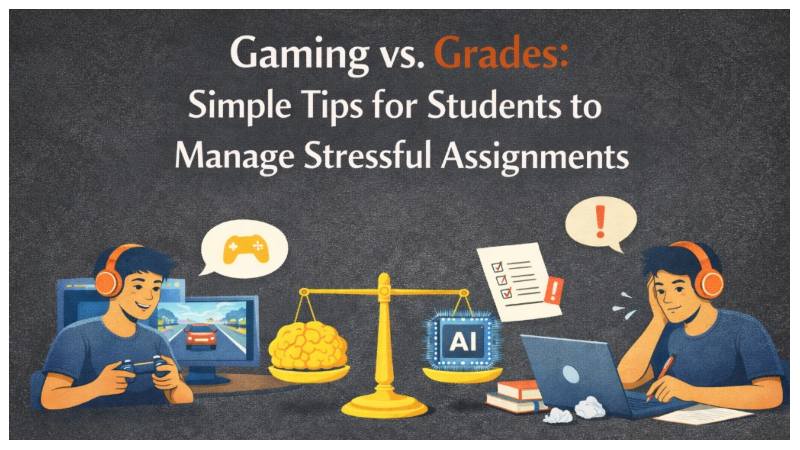
For many of us, the glow of a monitor and the thrill of a high-stakes raid are the best parts of the day. Whether it’s the competitive rush of an esports tournament or the community vibes of an online event like Scookievent, gaming is more than just a hobby—it’s a digital lifestyle. However, for students, there is a constant “boss battle” lurking in the background: the mountain of assignments, essays, and impending deadlines.
Finding the balance between leveling up in-game and maintaining a solid GPA is one of the most common stressors for modern students. We often feel like we have to choose one or the other. But what if you didn’t have to? By shifting your mindset and using a few strategic “cheats” for your schedule, you can master both worlds.
The Psychology of the “Grind”
In gaming, we understand the “grind.” We perform repetitive tasks to gain XP, unlock new gear, and reach the next level. Academic life is remarkably similar. Every essay you write and every problem set you complete is essentially XP for your career. The problem is that while gaming offers immediate rewards (loot, rank-ups), academics offer delayed rewards (grades, graduation).
When the academic load becomes overwhelming, it’s natural to look for a quick escape. This is where many students start feeling the pressure of “busy work.” In those moments of frustration, it’s common for the community to debate the ethics of the modern school system. While homework is definitely a legal reality, understanding the debate behind it can actually help you feel less alone in your academic frustration. Recognizing that the “overload” is a systemic issue can help you approach your work with less guilt and more strategy.
Strategy 1: The “Quest Log” Method (Time Management)
The biggest mistake student gamers make is “time-blindness.” You sit down for “one quick match” at 7:00 PM, and suddenly it’s 2:00 AM. To fix this, you need to treat your day like a Quest Log.
- Main Quests: These are non-negotiable assignments with deadlines in the next 48 hours.
- Side Quests: Tasks that are due next week or readings that aren’t urgent.
- Daily Rewards: This is your gaming time.
Strategy 2: Dealing with the “End-Game” Burnout
Finals week and midterms are the “End-Game” content of the semester. This is when stress levels peak and the risk of “rage-quitting” your studies is highest. During these high-pressure seasons, the sheer volume of work can be paralyzing.
When you have three papers due on the same day as a major seasonal event in your favorite game, it’s okay to look for professional reinforcements. Just as you might hire a professional coach to improve your aim, many students utilize academic resources to help manage the load. For those moments when you are truly stuck, reaching out to a service like myassignmenthelp can provide the support you need to get through a tough week. If you find yourself thinking, “I just need someone to do my homework for me so I can focus on my mental health,” using a reputable service can be a strategic way to ensure your grades don’t tank during a crisis. It’s about being a smart manager of your own time and knowing when you need a “co-op” partner to cross the finish line.
Strategy 3: Optimize Your “Loadout” (Study Environment)
In gaming, your loadout matters. You wouldn’t bring a level 1 sword to a boss fight. Similarly, you can’t study effectively in a space that is designed for gaming.
- The Physical Split: If possible, don’t study in the same chair you game in. Your brain associates that chair with relaxation and high-octane fun. If you have to use the same desk, change the lighting. Use a bright “white” light for studying and “RGB/Ambient” light for gaming. This subtle “environmental trigger” helps your brain switch modes.
- The Digital Split: Use different browser profiles. Your “Gaming Profile” has your bookmarks for Twitch, Discord, and Wikis. Your “Study Profile” should only have your school portal, Google Scholar, and focus apps.
Strategy 4: Use the “Pomodoro Power-Up”
The Pomodoro Technique is the “burst fire” mode of studying. Set a timer for 25 minutes of intense, focused work—no phone, no tabs, no distractions. When the timer hits, take a 5-minute break. After four sessions, take a longer 20-minute break.
For gamers, you can adapt this. Use your “Long Break” for a quick round of a fast-paced game like Rocket League or Marvel Snap. The key is to avoid games with long, unpredictable match times (like League of Legends or CS2) during your study breaks. Stick to games where you know exactly when the “match over” screen will appear.
Strategy 5: Physical Maintenance (The “Health Bar”)
We often forget that our “character” (us!) has a health bar. If you aren’t sleeping, eating, or hydrating, your “Mental Stamina” stat drops significantly.
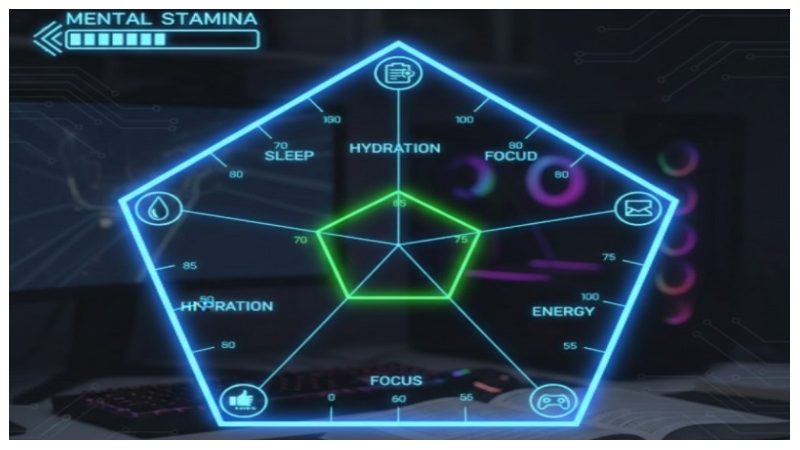
- Sleep: Lack of sleep is a debuff to your memory. You could study for 5 hours, but if you only sleep for 3, you won’t retain the information.
- Hydration: Water increases cognitive speed. Keep a bottle at your desk—both for gaming and for grades.
- Movement: If you’ve been sitting for 3 hours, your brain starts to “lag.” A 10-minute walk or some quick stretching resets your focus.
The Final Verdict: Integration, Not Separation
Gaming doesn’t have to be the enemy of your education. In fact, many of the skills you learn in gaming—strategic planning, quick decision-making, and perseverance—are the exact same skills needed to excel in university.
About the Author
Hi there! I’m Ruby Walker, an academic consultant and content strategist associated with Myassignmenthelp. With years of experience navigating the intersection of modern student life and rigorous academic standards, I specialize in helping learners find smarter ways to manage their workload without sacrificing their passions.