A heating system that runs loudly at night can turn a quiet home into a restless one. Many homeowners in Surprise notice noises after sunset when the house settles and outside sounds fade. The heater may seem fine during the day, yet once nighttime arrives, rattles, bangs, humming, or popping sounds become impossible to ignore. These sounds do not happen without a reason. They often signal wear, airflow problems, or parts that struggle to operate smoothly.
Nighttime noise feels more intense because the system cycles differently after dark. Outdoor temperatures drop, the heater runs longer, and internal stress increases. Service inspections often reveal patterns that explain why heating systems grow louder at night and what steps restore quiet operation.
Understanding these noises helps homeowners respond early and avoid damage that leads to costly repairs.
1. Why Heating Noises Feel Louder at Night
Sound travels differently at night. Fewer background noises allow mechanical sounds to stand out. Heating systems also run longer cycles during cooler evening hours, which exposes issues that shorter daytime cycles may hide.
Metal parts expand and contract as temperatures change. Ductwork cools after sunset, then warms quickly when the heater starts. This movement creates popping or ticking sounds that feel sudden and sharp in quiet rooms.
Service inspections often reveal that the system behaved the same way during the day, yet homeowners only noticed the noise once the house became still.
2. Rattling Sounds From Loose Components
Rattling ranks among the most common nighttime complaints. Panels, screws, or internal parts loosen over time due to vibration. During longer night cycles, that vibration increases.
Service inspections frequently uncover access panels that no longer fit snugly. Blower assemblies may shift slightly inside the housing. Even small gaps allow metal to vibrate against metal.
Technicians tighten fasteners and secure loose parts. This simple step often reduces noise immediately and prevents further wear.
3. Banging Noises Inside Ductwork
Banging or thumping sounds often trace back to ductwork. Sudden pressure changes cause ducts to flex. Thin metal ducts expand rapidly once warm air rushes through them.
At night, longer heating cycles intensify this effect. The duct cools more between cycles, then heats quickly, which increases movement.
Service inspections check duct sizing, support, and connections. Technicians may find ducts rubbing against framing or lacking proper reinforcement. Adjustments and added support reduce movement and noise.
4. Popping Sounds Linked to Temperature Changes
Popping noises often alarm homeowners, yet they usually relate to thermal expansion. Metal components inside the heater expand as they warm. Once the cycle ends, cooling causes contraction.
Nighttime temperature swings make this effect more noticeable. The heater rests longer between cycles, allowing parts to cool fully before restarting.
Service inspections assess whether popping stays within normal range. Excessive popping may signal restricted airflow or uneven heating that forces parts to expand too quickly.
5. Whistling Caused by Airflow Restrictions
Whistling sounds often point to airflow problems. Dirty filters, closed vents, or undersized duct openings force air through tight spaces. The pressure creates a high-pitched noise that carries easily at night.
During service inspections, technicians check filters first. A clogged filter restricts airflow and increases noise throughout the system. They also inspect vents and returns for blockages. Restoring proper airflow reduces whistling and improves comfort across the home.
6. Humming From Electrical Components
A low humming sound often comes from electrical parts such as transformers or motors. These components vibrate as electricity flows through them.
At night, steady operation highlights this hum. Wear or loose mounting increases vibration and noise.
Service inspections involve checking electrical connections and mounting brackets. Technicians secure components and test voltage flow to reduce unwanted sound.
7. Grinding or Screeching From Moving Parts
Grinding or screeching sounds demand immediate attention. These noises usually come from moving parts such as blower motors or bearings that lack lubrication or show wear.
Nighttime operation worsens the sound because the system runs longer. The noise may fade during short daytime cycles, which delays detection.
Service inspections focus on motor condition and belt alignment. Lubrication or part replacement restores smooth movement and prevents motor failure.
8. Clicking Sounds During Startup or Shutdown
Clicking noises often occur when the system starts or stops. Relays, switches, and controls engage during these moments. Occasional clicking may sound normal, yet repeated or rapid clicking suggests electrical wear or control issues.
Service inspections test startup sequences to ensure smooth operation. Technicians look for delayed signals or components that struggle to engage consistently.
9. Vibration Transmitted Through Floors and Walls
Some nighttime noise comes from vibration traveling through the home structure. The heater may sit on a platform or in an attic where vibration transfers into the framing.
During service inspections, technicians check mounting surfaces and isolation pads. They may recommend adding cushioning or adjusting placement to reduce vibration transfer.
This approach quiets the system without altering its performance.
10. Duct Leaks That Amplify Sound
Leaky ducts allow air to escape at high velocity. This airflow creates hissing or roaring sounds that echo through walls and ceilings.
At night, longer heating cycles magnify these sounds. Service inspections often reveal gaps or loose joints that have developed over time.
Sealing duct connections reduces noise and improves airflow efficiency at the same time.
11. Expansion Noises From Heat Exchangers
Some popping or ticking noises originate inside the heat exchanger. This part heats rapidly and cools between cycles. Minor noise may occur during normal operation.
Excessive noise may signal uneven heating caused by airflow problems or buildup on internal surfaces.
Service inspections evaluate exchanger condition carefully to ensure safe operation and balanced heat distribution.
12. Why Nighttime Noises Should Not Get Ignored
Noise often serves as an early warning. Loose parts, airflow restrictions, and worn components grow worse without attention. What starts as an annoyance can turn into system damage.
Ignoring nighttime noise increases strain on motors and electrical parts. Repair visits later may involve more extensive work. Addressing sound issues early keeps the system running smoothly and quietly.
13. How Service Inspections Identify Noise Sources
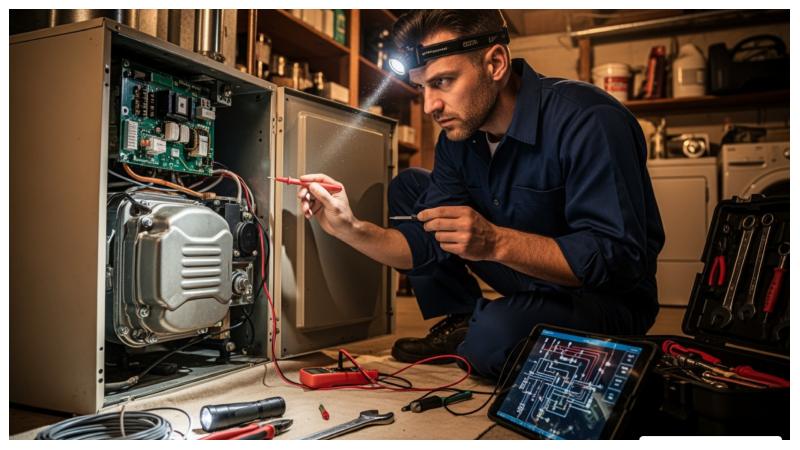
Professional inspections follow a step-by-step process. Technicians listen during startup, operation, and shutdown. They check airflow, electrical response, and mechanical movement.
They inspect ductwork, mounting points, and internal components. Each sound has a pattern that guides diagnosis. This detailed approach identifies the true source rather than masking symptoms.
14. Quiet Operation and System Health Go Together
A quiet heating system usually reflects a proper balance. Air flows smoothly. Parts move without resistance. Electrical signals remain steady.
Service inspections that address noise also improve efficiency and comfort. Reduced vibration and airflow resistance lowers system stress.
Homeowners often notice better temperature consistency once noise issues are resolved.
15. Nighttime Noise as a Seasonal Indicator
Heating systems in Surprise may run quietly early in the season, then grow louder as use increases. Nighttime noise often appears during the first cold stretches.
This timing signals that the system needs attention after months of inactivity. Dust buildup, loosened parts, and dry components reveal themselves quickly. Scheduling service early prevents noise from escalating during colder weeks.
16. How Maintenance Prevents Loud Operation
Regular maintenance keeps components clean, secure, and balanced. Filters get replaced. Motors receive proper care. Ductwork stays supported.
These steps reduce vibration and airflow resistance. Quiet operation becomes the norm rather than the exception. Nighttime comfort improves when the system runs smoothly without distraction.
17. Listening to What the System Communicates
Every sound carries information. Rattles, hums, and whistles each tell a story about system condition. Homeowners who pay attention catch issues sooner. Service inspections translate those sounds into solutions. The goal remains comfort without disruption. A heating system that runs quietly at night allows restful sleep and reliable warmth throughout the season.